What was the first technological stage in the manufacturing process?
It all began with numerically controlled cutting. The tubular elements of the structure were machined using high-precision laser cutting equipment. This technology ensured clean edges and the exact lengths required for dimensional conformity of the components.
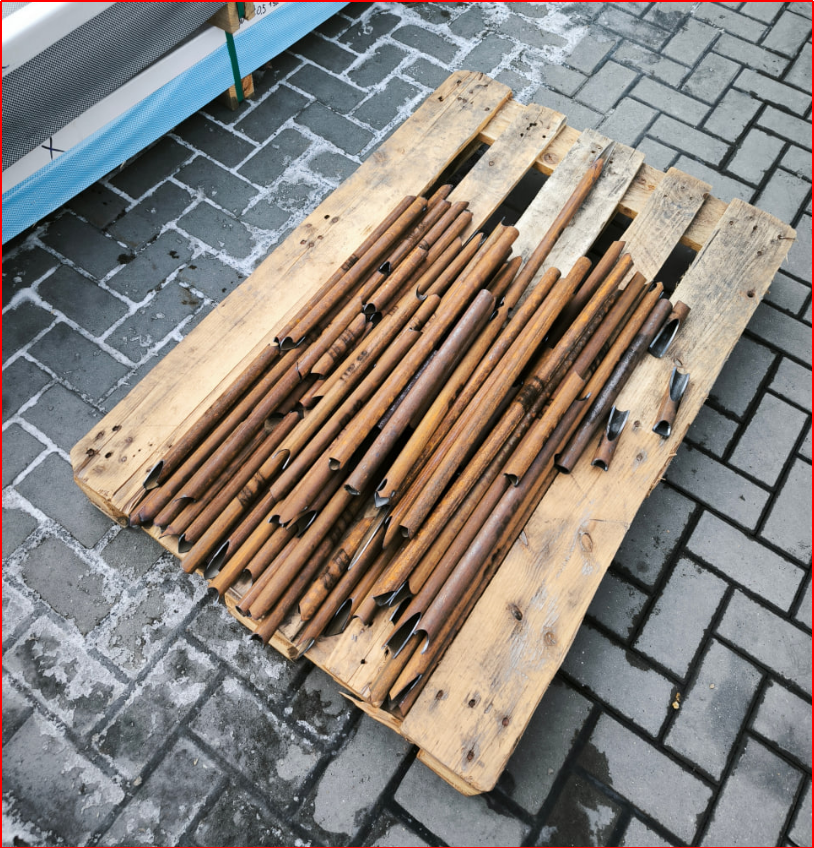
Figure 1. Tubular elements for the race car
How was the preliminary verification of the spatial configuration performed?
After receiving the cut components, the Formula Student Team UTM conducted a critical visual validation step. All tubular elements were laid out on a flat surface at ground level to preliminarily assess their relative positioning. This operation allowed for the verification of macro-geometry and the identification of any physical discrepancies prior to assembly
Figura 2. Constructorul din țevi a bolidului
What surface treatment was applied before welding?
To ensure a defect-free metallurgical joint, thorough cleaning of the components was required. Each tubular segment underwent a mechanical cleaning process to remove oxides, impurities, and thermal residues resulting from laser cutting. Surface preparation is a mandatory technical requirement for achieving a high-quality, porosity-free weld.
Figure 3. Surface preparation of the tubes
After cleaning, the tubes were welded using a shielding gas and uniform weld beads to ensure complete penetration. This process guarantees the chassis’s optimal structural strength during track conditions.
Figure 4. Chassis welding
Where was the geometric assembly performed?
Geometric assembly and tack welding took place at FABLAB, a technology center equipped with the necessary industrial infrastructure. In this space, the team tack-welded the metal structure to mechanically secure the parts according to the project coordinates. Using the FABLAB facilities ensured rigorous dimensional control, eliminating the risk of internal stresses or geometric deformations before the final welding phase.
Figure 5. The FABLAB workshop
What are the conclusions, and what’s next for the 2026 project?
The complete fabrication of the frame confirms that the digital CAD model was correctly translated into reality. Rigorous execution prevents geometric deviations or alignment errors, which are essential for the car’s dynamic behavior on the track.
Figure 6. The fully welded and finished frame in the FABLAB workshop
At this point, the chassis is fully welded and dimensionally verified. With the physical structure now complete, we can move directly to the next phase: the installation and integration of the steering, pedal, braking, and propulsion systems.